Oct. 19, 2026
Share
To remove rust from uncoated cast iron cookware, scrub away the corrosion, wash and dry the pan completely, then restore its protective seasoning. Light surface rust is often recoverable. Cracks, substantial metal loss, and chipped cooking-surface enamel require a different response.
For cookware importers, wholesalers, and hospitality procurement teams, the challenge also includes deciding whether affected stock can be restored and how to prevent the problem from recurring across a shipment.
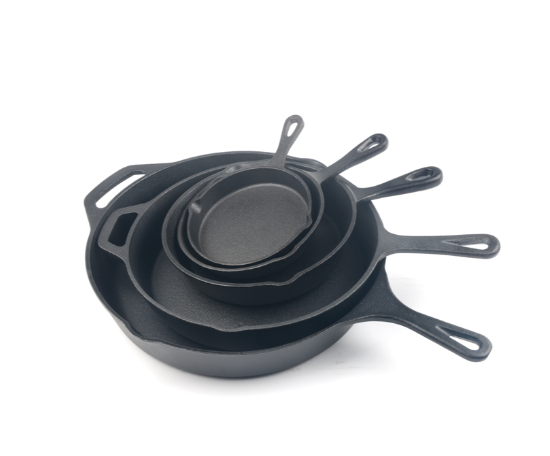
The restoration method below is for bare or pre-seasoned cast iron, not enameled surfaces. Black cookware is not necessarily pre-seasoned: some products have a matte black enamel finish. Confirm the specification before using an abrasive cleaner.
| Condition | Recommended Response |
|---|---|
| Light orange rust on bare or pre-seasoned iron | Remove the rust, dry thoroughly, and restore seasoning where needed. |
| Widespread rust with flaking seasoning | Assess the iron beneath the coating; restoration may require more extensive cleaning and reseasoning. |
| Brown marks on intact enamel | Clean gently first; discoloration alone does not establish that the iron underneath is rusting. |
| Rust around a rim | Confirm whether the rim is exposed iron or coated, then follow the product's care instructions. |
| Chipped interior enamel, cracks, or substantial corrosion damage | Stop using the cookware and seek supplier assessment or replacement. |
For new inventory, photograph the cookware and packaging before attempting restoration. Cleaning first can remove evidence needed to investigate a quality claim.
Seasoning is a layer of oil hardened through heating, rather than a permanent rustproof coating. When that barrier is damaged or moisture remains on exposed iron, rust can develop.
Common causes include soaking, dishwasher cleaning, incomplete drying, and damp storage. During transport or warehousing, condensation is another possible contributor. Rust discovered at delivery therefore needs investigation: its location, the packaging condition, and the distribution of affected units matter more than appearance alone.
Prepare mild dish soap, warm water, a suitable scouring pad or steel wool, clean towels, and cooking oil. Check the cookware's oven temperature limit, including handles and accessories, before planning a seasoning cycle.
Work on cool cookware. Scrub rusty areas with steel wool or a metal scouring pad, then wash with warm water and mild dish soap. Removing some seasoning during restoration is expected.
Inspect the cooking surface, underside, handles, and lid. Continue until visible rust and loose flakes are removed. Sound iron may look gray where seasoning has been stripped; it does not need to be polished to a bright, smooth finish.
Rinse away cleaning residue and towel-dry every surface. Use low stovetop heat briefly, where suitable, to remove remaining moisture. Pay particular attention to handle joints and lid edges.
Do not leave freshly cleaned iron to air-dry. If an orange film reappears before oiling, remove it and repeat the drying step promptly.
Once the cookware is dry and safe to handle, spread a thin layer of canola or another suitable seasoning oil over the exposed iron, inside and outside.
Wipe away excess with a clean cloth. The surface should look lightly coated, without puddles or drips. More oil does not create better protection; a thick application can leave a sticky finish.
For plain, all-iron cookware whose instructions permit it, a common oven seasoning method is 450–500°F (232–260°C) for one hour. The product's specified temperature limit takes priority.
Place the cookware upside down on an oven rack, with a tray on a lower rack to catch drips. Ventilate the area. After heating, switch off the oven and let the cookware cool inside. Avoid applying this cycle to enamel or temperature-sensitive components.
The surface should be dry, firmly bonded, and free of visible rust or loose flakes. If bare patches remain, another thin seasoning cycle may be needed.
Restoring a used pan and accepting new merchandise are separate decisions. For commercial stock, agree with the supplier on inspection and any rework before releasing affected units for sale.
Vinegar is not necessary for most light surface rust. Mechanical cleaning avoids introducing an acid treatment that can also strip seasoning.
If rust remains after scrubbing, ask the supplier for an approved restoration method rather than leaving the cookware in an uncontrolled acid soak. For a shipment, assess a representative affected unit before authorizing treatment across the batch.
Never assume that a household rust remover is suitable for food-contact cookware. Use a chemical product only if its instructions explicitly cover that application.
A recoverable pan can still represent an unacceptable delivery condition. Establish the extent and likely cause before choosing rework, replacement, or a claim.
Document the pattern. Record the SKU, batch or carton identification, affected quantity, and rust location. Photograph wet cartons, damaged wrapping, and any visible condensation.
Check beyond the first carton. Inspect units from different cartons and pallet positions using the agreed sampling plan. A few visible spots do not establish the condition of the entire shipment.
Agree on the remedy. Confirm who approves and pays for restoration, how reworked units will be inspected, and whether their packaging or sales description needs updating.
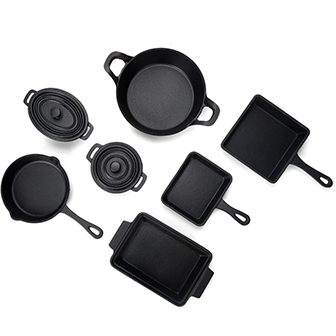
For cast iron cookware sets, assess each component separately. A set may combine different finishes, lids, or accessories, so one treatment may not suit every piece.
For seasoned iron, consistent drying and protection are more useful than occasional heavy oiling. Pack only fully dry cookware, use dry separators, and avoid trapping moisture beneath tightly fitted lids.
For bulk orders, agree on packaging suitable for the shipping route and storage conditions. Consider moisture-control measures where needed, protect finishes from rubbing, and keep cartons away from damp floors or walls. Investigate repeated rust at the same contact point; it may indicate abrasion or retained moisture rather than a cleaning problem alone.
Include separate care instructions for pre-seasoned and enameled products. Clear guidance should cover washing, complete drying, oil maintenance where applicable, and restrictions on abrasive cleaning.
Yes. Seasoning improves protection but does not make cast iron permanently rustproof. Persistent moisture or damage to the seasoning can expose the iron again.
No. Dark residue can come from seasoning or food deposits. Inspect the cleaned surface rather than identifying corrosion from towel color alone.
No. Seasoning cannot replace a missing enamel coating. Cookware with chipped interior enamel should be taken out of use.
KUFU supplies pre-seasoned and enameled cast iron cookware, with customization options for product design, colors, logos, and packaging. For importers, wholesalers, retail chains, and hospitality buyers planning bulk orders, contact our team to discuss cookware specifications, set configurations, packaging requirements, and a quotation for your purchasing program.