Oct. 16, 2026
Share
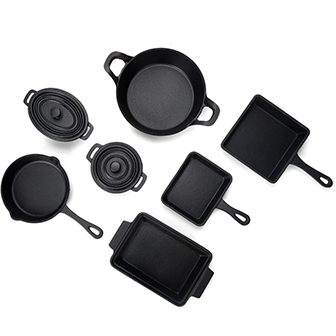
Baking bread in a cast iron bread pan can make a noticeable difference: a crisp crust, better oven spring, and stable heat throughout baking. KUFU’s pre-seasoned cast iron bread pans support everything from rustic, free-form artisan loaves in larger bread bakers to neatly shaped bread in rectangular, square, or hexagonal bread pans.
This guide explains how to prepare a Bread Pan for its first use, bake your first loaf, and maintain the seasoning to prevent rust and improve food release over time.
KUFU offers a range of cast iron bread pans, including pre-seasoned and enameled cast iron bread pan options. Many of our bread pans come with matching lids and are designed for high-temperature baking. During the early baking stage, the lid traps moisture released by the dough, creating steam that helps the bread expand before its crust sets.
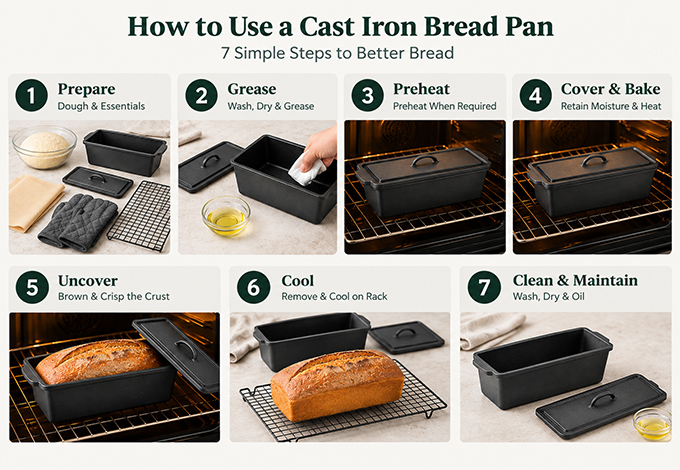
Before baking your first loaf with a Bread Pan, prepare:
Bread dough prepared and proofed according to your recipe
Baking parchment rated for your baking temperature, if needed
Dry oven mitts or heat-resistant gloves
A cooling rack
A soft cloth or sponge and warm water for cleaning
Cast iron becomes extremely hot and retains heat long after leaving the oven. Always protect your hands when handling the cast iron bread pan, lid, and handles.
KUFU’s pre-seasoned cast iron bread pans are treated with vegetable oil baked onto the surface to create a protective seasoning layer. With proper use and care, this layer can improve food release over time.
Before your first bake:
Wash the bread pan and lid with warm water and a soft sponge.
Use a small amount of mild dish soap if needed, then rinse thoroughly.
Dry immediately and completely.
Lightly grease or line the cast iron bread pan as directed by your recipe.
Pre-seasoning does not mean every loaf will release without preparation. Greasing or lining is especially helpful for soft doughs, quick breads, and cakes. Mild dish soap is suitable for properly seasoned cast iron; prolonged soaking and leaving the Bread Pan wet are the greater concerns.
Preheating depends on the bread you are making.
For artisan bread recipes that call for a hot bread baker, place the empty cast iron bread pan and lid in the oven while it preheats. A hot cast iron surface helps support oven spring—the rapid expansion of dough at the beginning of baking.
For sandwich bread that completes its final proof in the bread pan, use a greased, room-temperature pan and follow the recipe. Cakes and quick breads generally do not require a preheated Bread Pan.
If you choose an enameled cast iron bread pan, always follow the manufacturer's instructions regarding preheating, temperature limits, and use.
A cast iron bread pan with a lid helps retain the dough’s natural moisture during the first stage of baking. This steam keeps the surface flexible so the bread can expand.
For many artisan bread recipes, the process is straightforward:
Carefully place the shaped dough into the prepared Bread Pan.
Score the dough if your recipe requires it.
Cover and bake for the initial stage.
Remove the lid to release moisture and allow the crust to brown and crisp.
Follow your recipe’s covered and uncovered baking times. Steam supports early expansion, while the uncovered finish helps develop the crust.
You can also bake without the lid when the recipe calls for it, including many sandwich breads, quick breads, and cakes. Crust softness depends on the dough ingredients, temperature, and baking time, so leaving the lid off does not automatically produce a softer crust.
Larger bread bakers suit rustic, free-form loaves, while rectangular Bread Pans support evenly shaped sandwich bread. Choose the bread pan size and lid method to match your recipe.
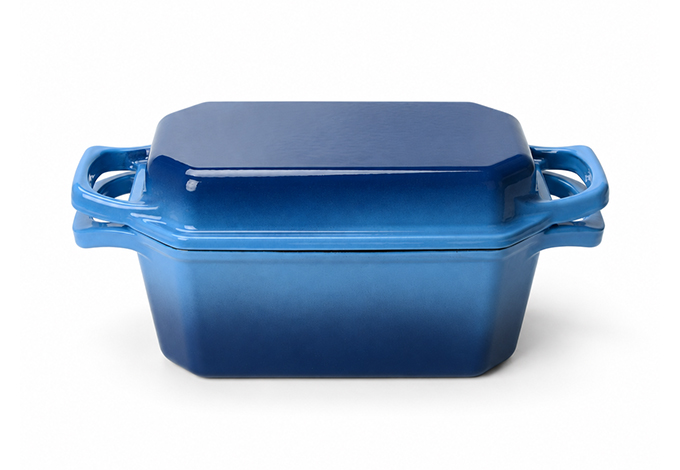
A cast iron bread pan provides excellent heat retention. Once heated, its substantial base and walls provide a steady source of heat around the dough and reduce the effect of brief oven-temperature fluctuations.
Combined with a fitted lid, a cast iron bread pan creates a contained, steamy baking environment. For suitable covered-bread recipes, the dough supplies the moisture, so an additional water tray or spray bottle is usually unnecessary.
This combination of retained heat and controlled moisture helps bread rise and develop a well-browned crust.
A pre-seasoned cast iron bread pan also provides a ready-to-use cooking surface. With regular use and proper maintenance, the seasoning can become more durable and improve food release.
For bakers who prefer an easy-to-clean surface, an enameled cast iron bread pan is another option. The enamel coating provides a smooth cooking surface without requiring the same seasoning maintenance as traditional bare cast iron.
Match the dough to the Bread Pan. Shape it to fit, leaving enough space for proofing and oven expansion.
Follow the recipe’s temperature. Many artisan breads bake around 220–250°C (428–482°F), but never exceed the temperature rating of the cast iron bread pan, lid, or parchment.
Use the lid strategically. Keep it on during the initial stage when the recipe requires steam, then uncover for browning.
Watch the bottom crust. Cast iron retains heat effectively, so check your first few loaves and adjust baking time or rack position if necessary.
Adjust for the bread style. Enriched sandwich doughs, sweet cakes, and quick breads generally need different temperatures from lean artisan bread.
Choose the right finish. A pre-seasoned cast iron bread pan is suitable for traditional cast iron baking, while an enameled cast iron bread pan can be a convenient alternative when you prefer an enamel cooking surface.
Use dry oven mitts to remove the Bread Pan and place it on a heat-resistant surface.
Once the loaf is firm enough to remove, transfer it to a cooling rack. Follow the recipe if it recommends a short rest in the bread pan. Avoid leaving bread in hot cast iron unnecessarily, as retained heat continues cooking the base. Let the loaf cool before slicing.
If you source Bread Pans from KUFU, we can also supply complementary baking accessories, helping simplify purchasing and save sourcing time.
After baking:
Allow the cast iron bread pan to cool until safe to wash.
Clean with warm water and a soft sponge.
Use mild dish soap if needed.
Avoid prolonged soaking and dishwasher cleaning.
Dry immediately and thoroughly.
Apply a very thin layer of cooking oil, wiping away any excess.
Store a traditional cast iron bread pan in a dry place. Proper drying and seasoning help prevent rust and maintain easy release.
If rust appears or the seasoning becomes damaged, clean the affected area and re-season the pre-seasoned cast iron bread pan as needed.
An enameled cast iron bread pan generally does not require seasoning in the same way as bare cast iron. However, it should still be cleaned and dried properly and handled according to the manufacturer's care instructions.
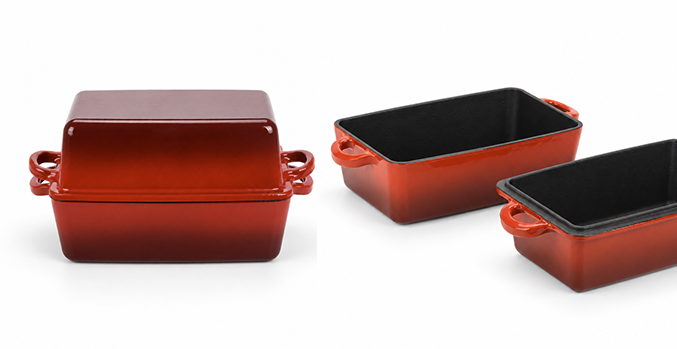
A Bread Pan is also useful for quick breads, bread pudding, braided yeast bread, savory one-dish meals, and sweet cakes. A lined bread pan can serve as a mold for frozen desserts; remove them from the pan for storage.
With durable construction and attractive designs, KUFU cast iron bread pans give home bakers more ways to explore their recipes and creativity.
Whether you are looking for a traditional cast iron bread pan, a convenient pre-seasoned cast iron bread pan, or an enameled cast iron bread pan, choosing the right design and size can make everyday baking more versatile and enjoyable.